10 Ways You’re Accidentally Sabotaging Your Lawn With Fertilizer
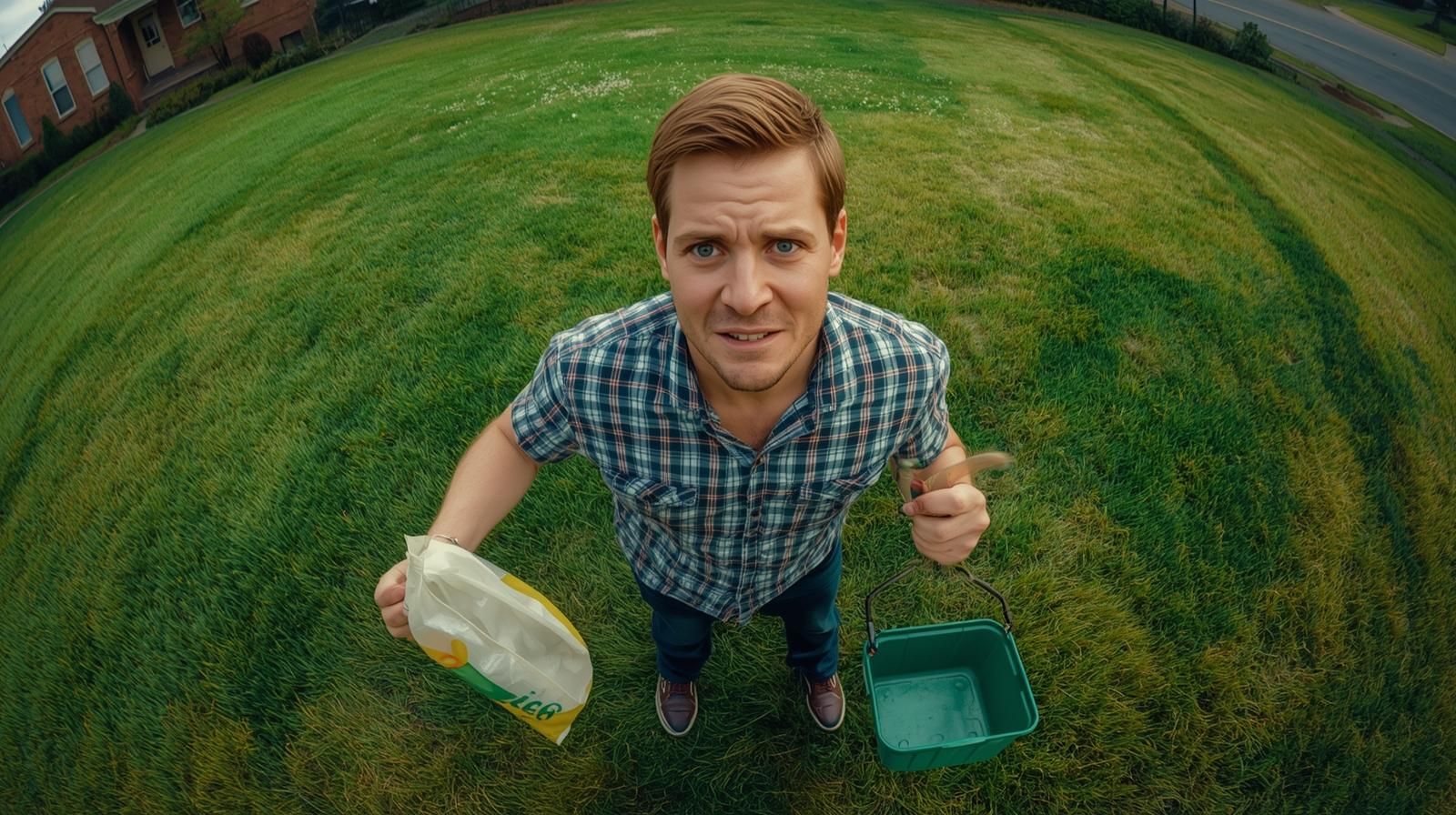
Let’s be honest: you meant well. You bought the fertilizer, you read (okay, skimmed) the instructions, and you confidently marched out to your lawn with the best intentions. Fast forward two weeks, and your grass looks like it’s auditioning for a post-apocalyptic movie. What went wrong?
The truth is, fertilizing your lawn is like cooking—follow the recipe and you’ll get amazing results, but wing it with too much creativity and you’ll end up with a disaster. The good news? Most lawn fertilizing mistakes are completely avoidable once you know what to look for.
In this guide, we’re diving into the ten most common ways homeowners accidentally turn their dream lawn into a nightmare, and more importantly, how to fix them. Grab your gardening gloves and let’s dig in.
1. Applying Fertilizer to Dry Grass (The Crispy Mistake)
The Problem: You’ve probably heard that you should water after fertilizing, but did you know that applying fertilizer to bone-dry grass is asking for trouble? When fertilizer lands on parched grass blades, it can stick to them and cause chemical burns before you even get a chance to water it in.
Why It Happens: Most of us fertilize on a nice sunny day (because who wants to work in the rain?), but that’s often when the grass is at its driest. The fertilizer granules sit on the grass blades, concentrating their chemicals in one spot, which leads to those lovely brown streaks you definitely didn’t order.
The Fix: Water your lawn lightly the day before you plan to fertilize. You’re not trying to create a swamp—just moist grass blades that won’t hold onto fertilizer granules. Think of it as giving your lawn a light appetizer before the main meal. Then, after you’ve applied the fertilizer, water thoroughly to wash it down into the soil where it belongs.
2. The “More Is Better”
Mentality (Spoiler: It’s Not)
The Problem: If a little fertilizer makes your grass green, a lot of fertilizer should make it REALLY green, right? Wrong. So very wrong. Over-fertilizing is one of the fastest ways to destroy your lawn, causing fertilizer burn, thatch buildup, and even killing the grass outright.
Why It Happens: We live in a culture that loves excess. Super-size that meal! Add extra everything! But your grass doesn’t work that way. Plants can only absorb so much nitrogen at once, and the excess doesn’t just disappear—it burns the roots and can contaminate groundwater.
The Fix: Read the application rate on the bag and actually follow it. Most cool-season grasses need about 3-4 pounds of nitrogen per 1,000 square feet per year, split across multiple applications. Warm-season grasses might need a bit more. Use a spreader with proper settings, and measure your lawn so you know how much product you actually need. Math is annoying, but so is a dead lawn.
3. Fertilizing at the Wrong Time (Timing Is Everything)
The Problem: Fertilizing when your grass is dormant or stressed is like force-feeding someone who just ran a marathon. It’s not helpful, and it might actually cause harm. Late summer fertilizing in extreme heat or fertilizing frozen winter grass are classic examples.
Why It Happens: You bought the fertilizer, it’s sitting in your garage, and you have a free Saturday. You figure, “Why not?” But grass has specific growing periods when it can actually use nutrients, and outside those windows, you’re mostly just wasting product and potentially harming your lawn.
The Fix: Know your grass type and fertilize during its active growing season. Cool-season grasses (like Kentucky bluegrass, fescue, and ryegrass) grow most actively in spring and fall—fertilize them in early spring and again in fall, with a light feeding in early summer if needed. Warm-season grasses (like Bermuda, St. Augustine, and zoysia) love late spring through summer applications. Never fertilize when grass is dormant or during extreme heat or drought stress.
4. Ignoring the Weather Forecast (Mother Nature’s Revenge)
 The Problem: You fertilize on a beautiful sunny morning, feeling accomplished and proud. That afternoon, a thunderstorm rolls through and washes all your fertilizer into the street, storm drains, and eventually into local waterways. Not only did you waste money, but you’ve contributed to water pollution.
Why It Happens: We’re busy people, and when we have time to tackle lawn care, we do it—rain or shine. But heavy rain shortly after fertilizing means the nutrients never make it into your soil. Instead, they run off your lawn, taking your money and environmental responsibility with them.
The Fix: Check the forecast before you fertilize. You want to avoid heavy rain for at least 24-48 hours after application. Light rain or watering is good—it helps the fertilizer soak in. Torrential downpours? Not so much. If rain is predicted, postpone your fertilizing mission. Your lawn (and local fish populations) will thank you.
5. Using the Wrong Spreader Settings (The Striping Effect)
The Problem: Your lawn now has stripes—dark green stripes alternating with lighter (or dead) stripes. Congratulations, you’ve created a lawn that looks like it’s wearing prison pajamas. This happens when your spreader settings are off, causing uneven application.
Why It Happens: Most people either guess at spreader settings or use settings from a previous product that had different specifications. Different fertilizers have different granule sizes and recommended application rates, so what worked for one product won’t work for another.
The Fix: Actually read the fertilizer bag and set your spreader according to the manufacturer’s recommendations. Do a test run on your driveway or sidewalk first to see how the fertilizer distributes. Walk at a steady, consistent pace, and overlap your passes slightly to avoid gaps. If you’re using a broadcast spreader, the typical overlap is about 6-12 inches. It’s tedious, yes, but stripes are harder to fix than they are to prevent.

6. Skipping the Soil Test (Flying Blind)
The Problem: You’re fertilizing regularly, but your lawn still looks mediocre. Why? Because you might be adding nutrients your soil already has plenty of while ignoring nutrients it actually needs. It’s like taking vitamin C supplements when you really need iron—you’re not addressing the actual problem.
Why It Happens: Soil tests seem complicated and unnecessary when you can just buy fertilizer at the store. But soil chemistry varies dramatically from yard to yard, and what your neighbor’s lawn needs might be completely different from what yours requires.
The Fix: Get a soil test done through your local extension office or with a home testing kit. It costs about $15-30 and tells you exactly what your soil pH is and which nutrients you need. You might discover your soil doesn’t need any phosphorus (the middle number in NPK ratios) but is severely lacking in potassium. Armed with this information, you can choose the right fertilizer blend instead of just grabbing whatever’s on sale.
7. Fertilizing Immediately After Seeding (Patience, Grasshopper)
The Problem: You’ve just overseeded your lawn and you’re excited to give those baby grass plants every advantage. So you fertilize immediately, and then wonder why your seed germination is terrible or the young grass looks burned.
Why It Happens: The logic seems sound—new grass needs nutrients to grow, so fertilize early and often! But newly germinated grass has extremely delicate roots that can easily be burned by fertilizer, especially if you use a regular lawn fertilizer with high nitrogen content.
The Fix: Use a starter fertilizer that’s specifically formulated for new grass—these have lower nitrogen and higher phosphorus to encourage root development without burning tender shoots. Apply it at seeding time or very shortly after. Then wait until the new grass has been mowed 2-3 times before applying regular lawn fertilizer. New grass needs time to establish before it can handle standard fertilizer applications.
8. Not Watering After Application (The Waiting Game)
The Problem: You’ve fertilized and then… just left it there. The fertilizer granules are sitting on top of your lawn, not dissolving, not reaching the roots, just hanging out like unwelcome houseguests. Or worse, they’re burning the grass blades they’re touching.
Why It Happens: Sometimes we fertilize at the end of a long day and figure we’ll water tomorrow. Or we assume nature will take care of it eventually. But fertilizer needs water to dissolve and carry nutrients down to the root zone where they’re actually useful.
The Fix: Water your lawn within 24 hours of fertilizing—sooner is even better. You want about 0.25 inches of water to help dissolve the granules and move nutrients into the soil. This doesn’t mean drowning your lawn, just a good watering to activate the fertilizer. Set up sprinklers or use your irrigation system, and make sure you’re getting even coverage across the entire fertilized area.
9. Mixing Fertilizer With Weed Killer Thoughtlessly (The Combo Chaos)
The Problem: You’ve bought a combination fertilizer plus weed killer product (often called “weed and feed”) and applied it according to schedule, but now your lawn looks worse than before. Maybe some areas are thriving while others are struggling, or your newly seeded patches have completely failed.
Why It Happens: Weed and feed products are convenient, but they come with timing complications. The best time to fertilize isn’t always the best time to apply weed killer. Plus, if you’ve recently seeded or plan to seed, weed killers will prevent your grass seed from germinating—because that’s what they’re designed to do to weed seeds.
The Fix: Think of fertilizing and weed control as separate operations with different timing requirements. Fertilize based on your grass’s growth cycle. Apply weed control when weeds are actively growing and when you’re NOT planning to seed for at least 4-6 weeks in either direction. If you must use a weed and feed product, make absolutely sure it’s the right time for both operations, and never use it anywhere near seeded areas.
10. Fertilizing With a Clogged or Broken Spreader (Technical Difficulties)
The Problem: You’re walking your spreader across the lawn, congratulating yourself on being a responsible homeowner, not realizing that half the spreader holes are clogged or the distribution pattern is completely off. The result? Patches of over-fertilized grass next to patches that got nothing at all.
Why It Happens: Spreaders get left in the garage or shed where moisture causes fertilizer residue to harden and clog the holes. The mechanisms get rusty or bent. We don’t check the equipment before use because we assume it’s fine.
The Fix: Before each fertilizing session, inspect your spreader. Clean out any old fertilizer residue. Check that all holes are clear and the distribution plate moves freely. Do a test pass on a hard surface like your driveway to confirm fertilizer is flowing evenly. After you’re done, clean the spreader thoroughly and store it in a dry place. A few minutes of maintenance prevents hours of frustration and an unevenly fed lawn.
The Bottom Line: Fertilizing Doesn’t Have to Be Complicated
 Here’s the thing about lawn fertilizing—it’s not rocket science, but it does require some attention to detail. Most of the mistakes we make come from either rushing through the process or assuming we know better than the instructions.
Your lawn is a living thing that needs the right nutrients, at the right time, in the right amounts. It needs water to process those nutrients. It needs you to pay attention to weather conditions and to use equipment that actually works. These aren’t unreasonable demands.
The good news is that once you understand these common mistakes, you’re already ahead of most homeowners. You know to check the weather forecast, to read the actual instructions on the fertilizer bag, to water before and after application, and to maintain your equipment.
So next time you’re ready to fertilize, take a breath, slow down, and do it right. Your lawn will reward you with thick, green growth instead of the streaky, burned mess that comes from rushing through the process.
And if you’ve already made some of these mistakes? Don’t panic. Lawns are remarkably forgiving. Adjust your approach going forward, and your grass will bounce back. After all, it wants to look good just as much as you want it to.
Now get out there and feed that lawn—carefully, thoughtfully, and with the right amount of healthy respect for the chemistry you’re working with. Your neighbors will wonder what your secret is, and you can just smile and say, “I stopped sabotaging myself.”